

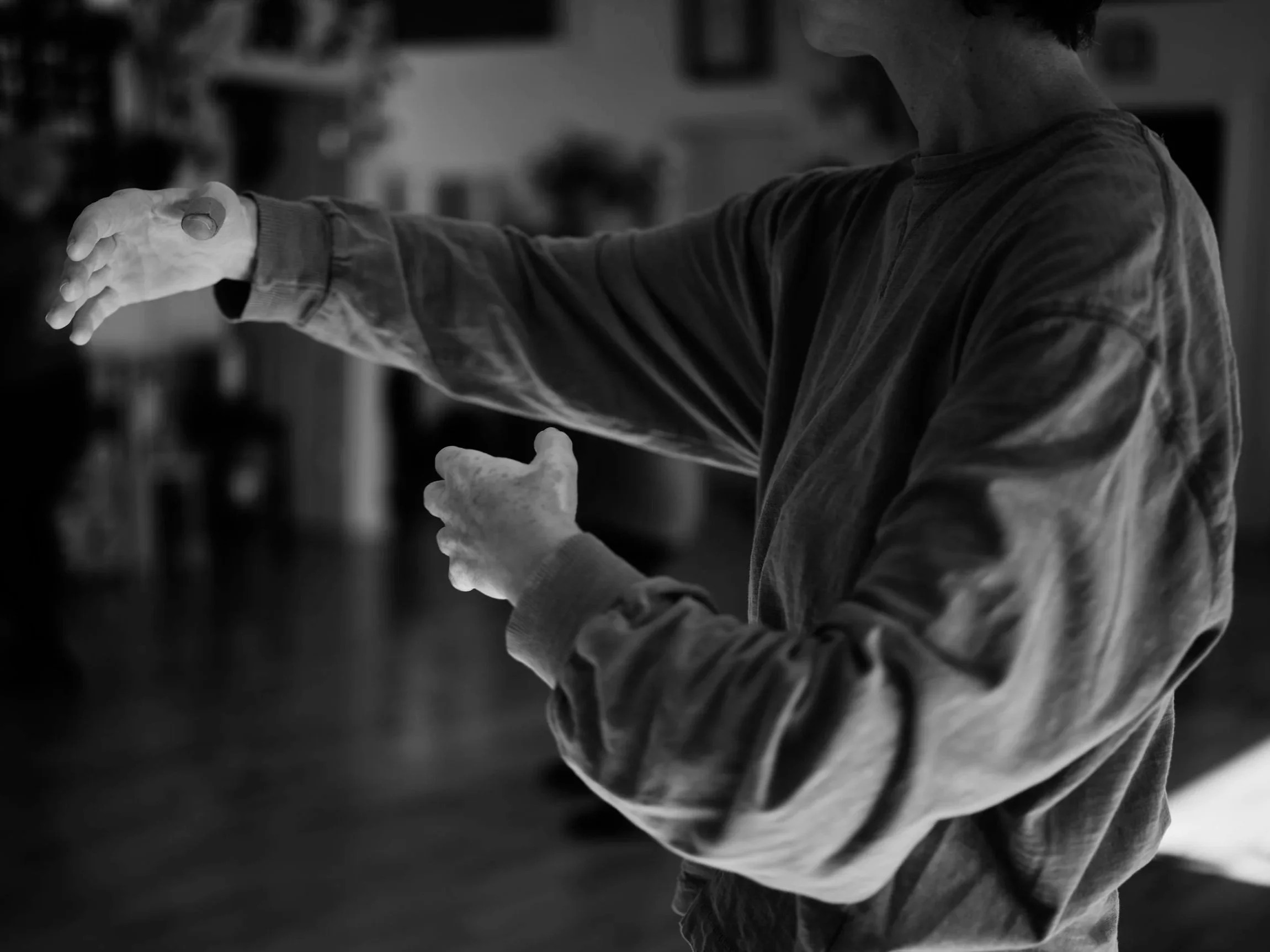
Qigong & Gongfu in Beacon, NY
Therapeutic movement training for strength, mobility, and nervous system regulation
What are Qigong & Gongfu?
Qigong is a traditional system of breath, posture, and movement developed within Chinese medicine and Daoist cultivation practices. Through slow, intentional exercises and coordinated breathing, qigong supports mobility, balance, circulation, and nervous system regulation.
Gongfu training builds on similar principles. While often associated with martial arts, gongfu more broadly refers to the cultivation of skill through consistent practice. In this context, it develops structural integrity, coordination, strength, and focus while refining the efficiency of movement.
Both practices can be adapted for health, physical training, and personal cultivation. Instruction is tailored to each individual’s needs, making it suitable for gentle, rehabilitative work as well as more physically challenging training.
Training at a Glance
Private therapeutic qigong sessions
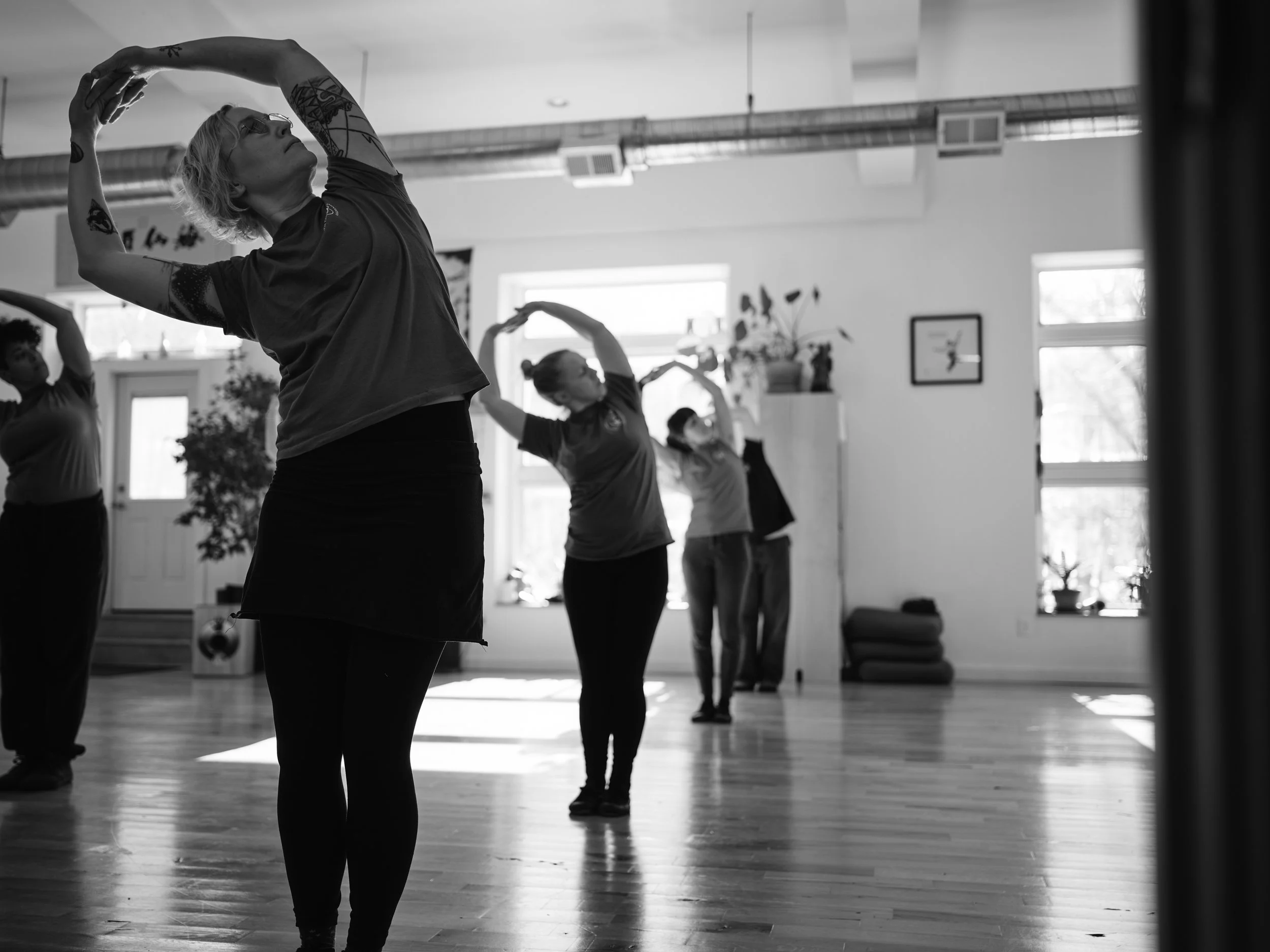
Small group training (up to 4 people)
In person & Zoom options
Seasonal classes and workshops (varied length and cost)
Session length: 60 minutes
Private session: $125
Small group session: $160 per group
Practices include therapeutic qigong, standing meditation, structural training, and foundational gongfu exercises adapted to each student.
Traditions & Training Methods
Instruction draws from several traditional qigong and internal training systems. Practices may combine elements depending on the student’s needs.
Foundational Qigong Practices
Tiger Plays with Ball
Alternating Palm
Pressing Palm
Standing Postures (Zhan Zhuang)
Qi Washing
Shaking and Vibrational Exercises
Five Element (Five Phase) Qigong
Movement practices based on the classical Five Phase system of Chinese medicine, supporting the functional relationships of the organ networks and their associated qualities of movement and expression.
Xingyi Neigong — Sixteen Longevity Exercises (Wang Ji Wu lineage)
Develops structural alignment, breath coordination, and whole-body integration. Exercises gradually build strength, balance, mental cognition, circulation, internal awareness, and more.
Tian Gan (Heavenly Stem) Neigong
A movement system based on the Heavenly Stems—a classical framework used in Chinese medicine to describe phases of transformation within natural and physiological cycles. These exercises emphasize coordinated, rhythmic movement to support internal regulation, circulation, and whole-body integration.
Meridian-Based Qigong (Jing Luo Qigong)
Movement and breath practices designed to stimulate circulation through the body’s channel system and support the functional relationships described in Chinese medicine.
Workshops & Classes
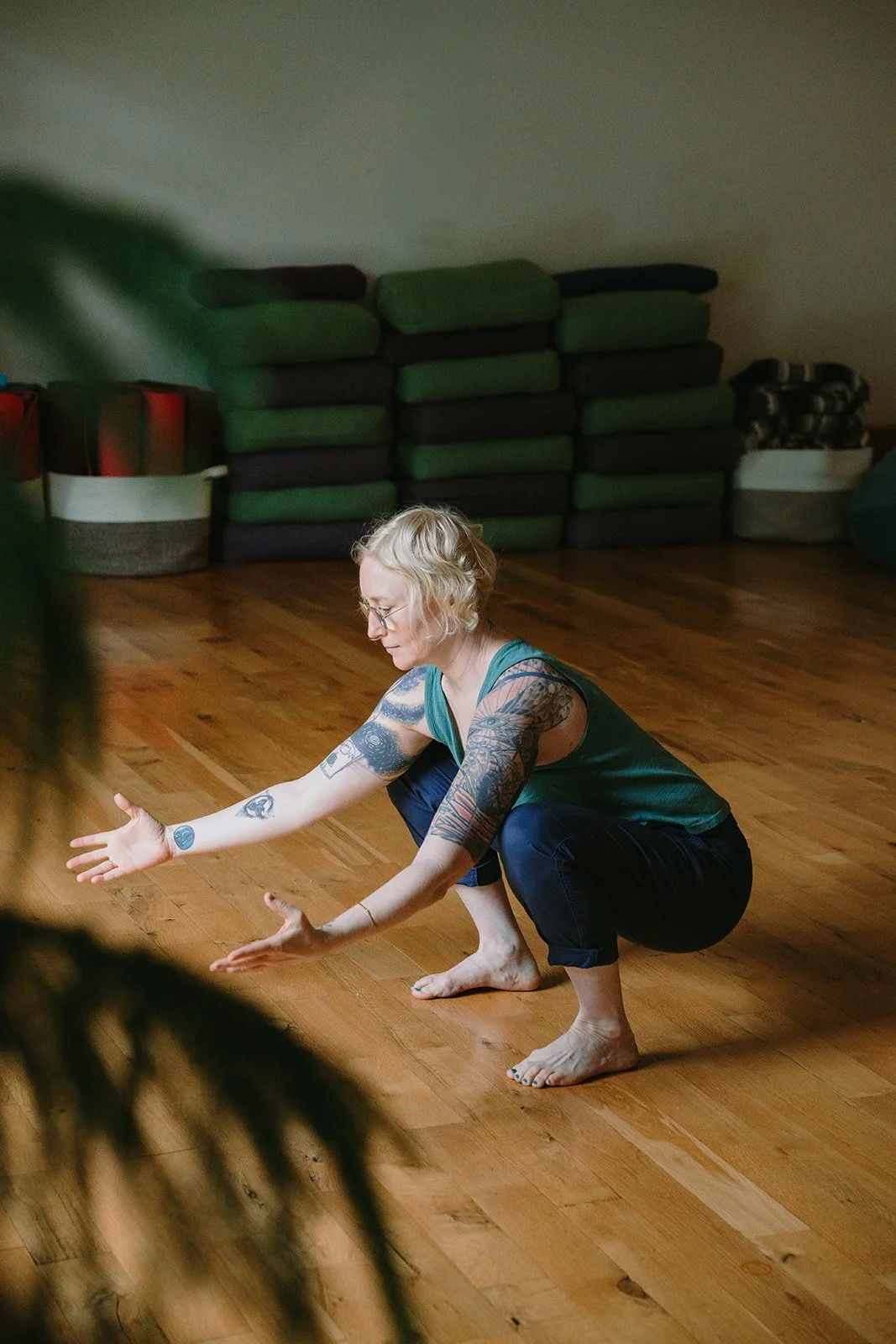
Seasonal workshops, class series and small group classes will be offered throughout the year. These may include:
Foundational qigong practices for health and longevity
Standing meditation and internal cultivation
Strength and structure training through gongfu fundamentals
Seasonal movement practices aligned with Chinese medicine principles
Certain class series are structured to explore a specific system over time, allowing students to learn practices such as Five Element (Five Phase) Qigong, Meridian-Based (JingLuo) Qigong, and other traditional methods in a more complete and integrated way.
Upcoming classes and workshops will be announced through the newsletter and events calendar.
Who This Training Is For
These sessions are adapted for many needs and levels of experience. They may be particularly helpful for those who:
Want to improve mobility, balance, and functional strength
Are recovering from injury or managing chronic pain
Feel chronically tense or fatigued
Want a sustainable, guided personal movement practice
Are interested in practices rooted in traditional Chinese medicine
No prior experience is required.
Qigong & Gongfu FAQ
-
No experience is needed. Sessions and classes are adapted to your level, whether you’re completely new to qigong or have an existing practice.
-
It can be both. Some practices are slow and meditative, focusing on breath and awareness, while others build strength, balance, and coordination. Most sessions include a combination, depending on your needs.
-
This work is rooted in Daoist practices and Chinese medicine and focuses on how movement affects the body’s internal systems. While many, though not all, styles follow a set sequence, exercises are adapted to support mobility, circulation, and nervous system regulation based on the individual.
-
Yes. Qigong is often used therapeutically to support recovery from injury, improve mobility, and manage chronic pain or tension. Sessions are adjusted to your capacity and can be very gentle when needed.
-
Sessions are individualized and may include a combination of movement, breath work, standing practices, and simple exercises you can continue at home. The focus is on building a practice that supports your body over time.
-
Wear comfortable clothing that allows you to move easily. No special equipment is needed.
-
Small group sessions are limited to four people and allow for both shared practice and individual guidance. They are a good option if you prefer learning with others while still receiving personalized instruction.
-
Both will be offered. Some classes will be drop-in, while others will run as a series focused on learning a specific system or set of practices over time.
-
Consistency matters more than intensity. Even a few minutes of daily practice can be beneficial. In sessions, you’ll learn simple exercises that can be integrated into your routine.
-
Yes. Qigong and movement training can complement acupuncture and bodywork by reinforcing the changes made during treatment and giving you tools to support your progress between sessions.